
We are Philosophy@KU
The Department of Philosophy at KU is home to a diverse and distinguished community of philosophers. We publish world-class philosophical research, and our graduates go on to pursue highly successful careers in business, law, academia, and government. Together, we are dedicated to the solution of some of the most pressing problems facing humanity.


Upcoming Events

Department News

NSF awards $2 million grant to KU researchers in computer science, philosophy, and special education
A University of Kansas-led initiative has received a $2 million award from the National Science Foundation’s Scholarships in Science, Technology, Engineering and Mathematics (S-STEM) program to expand educational opportunities for low-income students pursuing careers in computing, engineering and emerging technology fields.

2026 Banquet Photos Available
The Grad Team has published the proof gallery for the Department of Philosophy's 2026 Awards Banquet
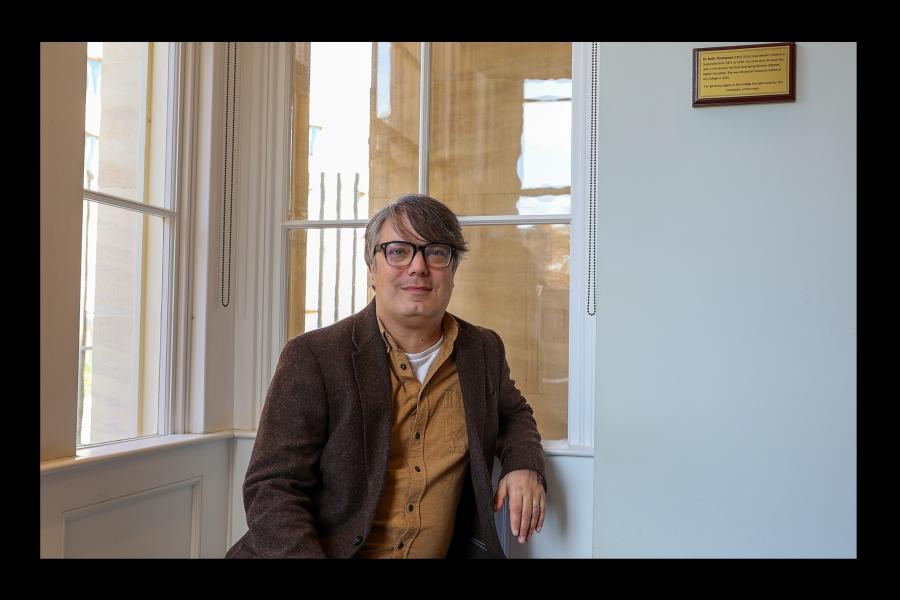
Dale Dorsey
In Memory of Dale Dorsey

New philosophical theory of personal well-being introduced in latest ‘Oxford Handbook’
In a new book chapter, Jason Raibley, associate professor of philosophy at the University of Kansas, proposes a new theory of personal well-being in which the most essential building block is having and then realizing personal values through one’s own agency.